Why 60% of Employees Don't Understand Their Benefits: 3 Things Brokers Can Do at Renewal
Administr
Administr Team
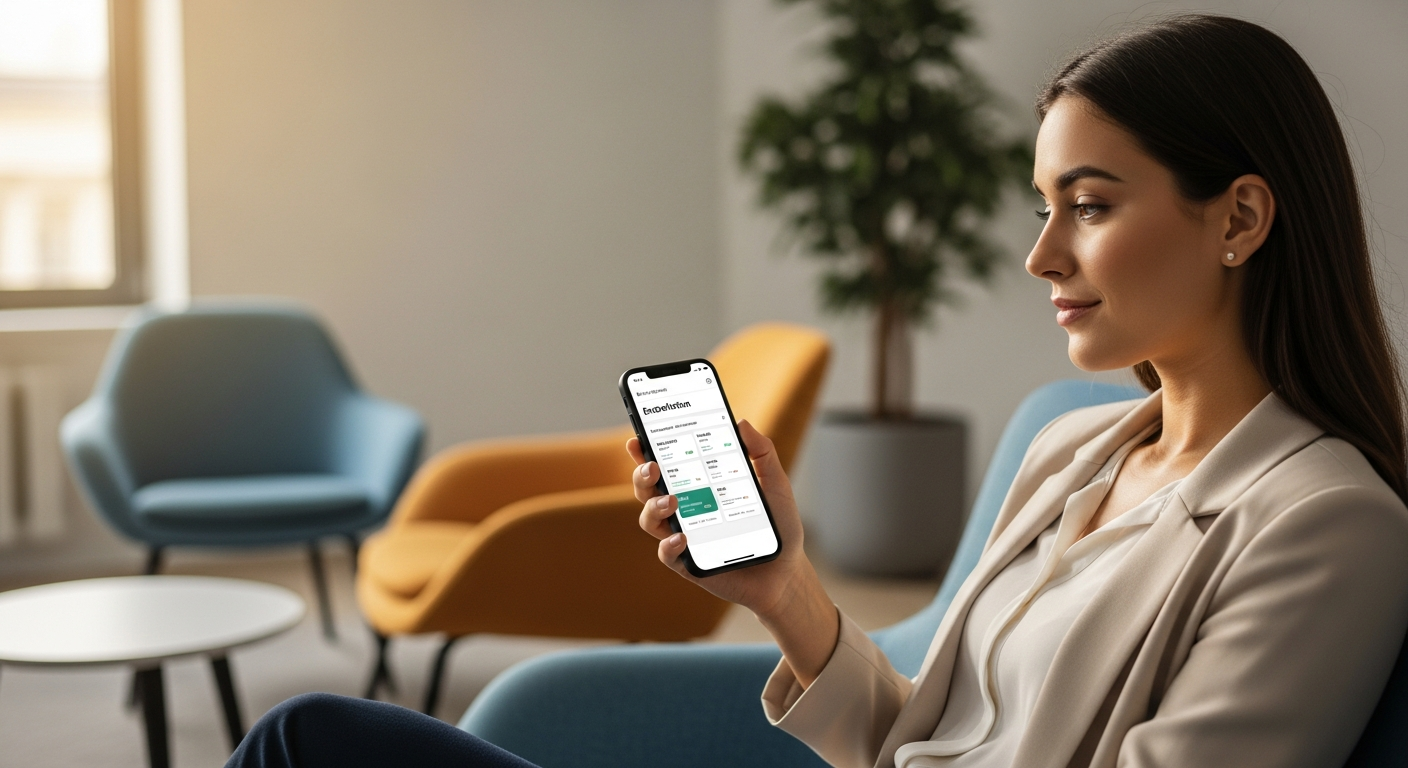
Surveys keep finding the same thing: somewhere between 50% and 70% of employees say they don't understand the benefits their employer offers.
That gap shows up in claims experience, in HR escalations, and in the quiet attrition of clients who stop seeing the value the broker promised.
For the broker, employee benefits engagement isn't a soft metric. It's a leading indicator of which clients renew enthusiastically and which quietly go to RFP. A workforce that doesn't understand its benefits will tell HR that benefits "aren't worth it," and HR will tell the broker that something needs to change.
This is a short renewal playbook for closing the understanding gap. Three steps, designed to be run in the 30 to 60 days before open enrollment, with most of the work falling to the broker rather than the client's HR team.
If you only have three minutes, skip to step 2. It's the highest-impact, lowest-effort lever in the playbook.
Why Employees Don't Understand Their Benefits
Three structural reasons, not personal ones.
1. Benefits communication speaks insurance, not English
A typical Summary Plan Description is written for a benefits attorney, not a 28-year-old software engineer. PPO, HDHP, deductible, coinsurance, out-of-pocket max, EOB. Every one of those terms is a barrier between an employee and a decision. Even employees who try to read the materials hit the jargon wall within the first page.
2. The timing is wrong
Most benefits communication lands two weeks before open enrollment, when employees are also dealing with year-end work pressure, holiday logistics, and a hundred other things demanding attention. The materials get half-read or skimmed.
3. The channel is wrong
A 12-page enrollment guide PDF emailed at 4pm on a Tuesday is not how a workforce that lives on phones consumes information in 2026. Mobile-first benefits communication doesn't just mean "looks okay on a phone." It means short, async, swipeable, and findable when the question actually comes up.
The 3-Step Playbook for Renewal Season
Each of these can be done in the 30 to 60 days before open enrollment. Most of the work is broker-led.
Step 1: Build a One-Page Plan-Specific Glossary
Generic benefits glossaries exist. They're not useful, because they don't match the specific plan numbers the employee actually sees.
Build a one-pager for each client. On the left, the jargon term (deductible, coinsurance, out-of-pocket max). On the right, the actual dollar amount for the most-enrolled plan that year. Add one example: "If you have a $500 ER visit and you haven't met your $1,500 deductible yet, you'll pay $500, and that amount counts toward your deductible."
This single document, distributed two weeks before OE, will cut benefits-related HR escalations through the OE window significantly. It also becomes a year-round reference, which is where most of the long-term engagement gains come from.
Step 2: Move the Communication to Where Employees Actually Are
In 2026, that's mobile, short, and async. Three concrete moves:
- Replace the 12-page PDF with a 6-screen mobile microsite. Same information, faster to consume, easier to share.
- Send a 3-email enrollment sequence instead of one mega-announcement. Email 1: "Here's what's changing this year." Email 2: "Here are the 3 most common questions employees ask." Email 3: "Last call to enroll." Each one short enough to read on a phone in under 90 seconds.
- Add a 60-second explainer video for each plan option. Phone-recorded is fine, captioned, embedded in the microsite. It doesn't need to be polished. It needs to be human.
This is the single highest-leverage step in the playbook. Benefits communication that meets employees on their phones routinely delivers a 25% lift in benefits engagement, which is enough to show up in next year's portal adoption numbers and HR escalation volume.
Step 3: Build Understanding Into the Enrollment Flow Itself
The enrollment portal is the moment of truth. If the employee makes a decision there without understanding the tradeoffs, the engagement gap shows up as confused claims questions all year.
Modern enrollment portals support three things that close that gap inside the flow:
- A side-by-side plan comparison that uses the employee's own past claims as input.
- A "what would this plan cost me?" calculator that runs on real dependent and salary data.
- An optional plan recommendation based on the employee's profile, with an explicit explanation of why.
If the client's current platform doesn't have all three, that's a sign the platform is part of the engagement gap, not part of the solution.
How to Measure Whether Any of This Is Working
Three metrics worth tracking through and after each OE cycle:
- Enrollment portal completion rate. The percentage of employees who finish enrollment in the portal without contacting HR. Baseline most clients in the 70 to 80% range; a well-executed engagement program lifts this above 90%.
- HR escalation volume during and after OE. Track the number of benefits-related questions HR fields per 100 employees per week. The trend line tells the story.
- Year-over-year plan election quality. The percentage of employees who pick a plan that matches their actual usage. Hard to measure precisely, but a low ratio (people picking gold plans they never use, or low plans that bankrupt them when a claim hits) signals the understanding gap.
Where to Start This Week
Three concrete actions if you're heading into a renewal:
- Pull last year's enrollment portal completion rate and HR escalation volume for your three largest clients. That's your baseline.
- Build one plan-specific glossary for your largest client. One page. Test the response.
- Audit the current OE communication: are you still sending one PDF email, or have you moved to a mobile sequence? If the former, that's the easiest fix on the list.
Administr makes most of step 3's enrollment-flow features available out of the box, and the platform supports the communications redesign in step 2 with built-in mobile microsites and email sequencing. We'd be happy to walk through what that would look like for an agency of your size.